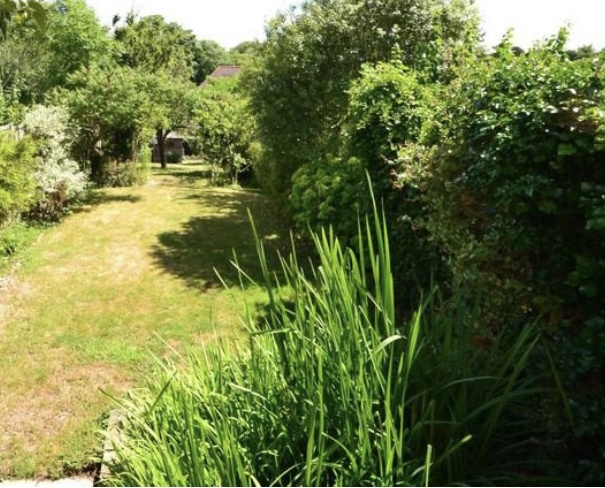
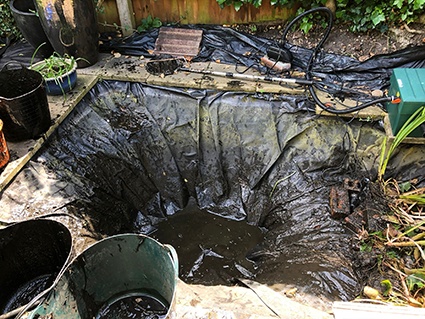
When we moved into our home, our pond was completely overrun with irises and little sign of any water. It was more of a wild marsh than a wildlife pond. With help from the husband and dad, they removed most of the overgrown plants and carefully removed any aquatic life; we were lucky that there were only frogs to deal with as there wasn’t much water left. Since this, we refilled the pond and the wildlife returned but this space has been a bit neglected – just a few additions of pond plants over the years, including a water lily. But this year, I finally made the decision to create a healthy ecosystem and enhance this space properly.
Getting started: hedge trimming and clean-up
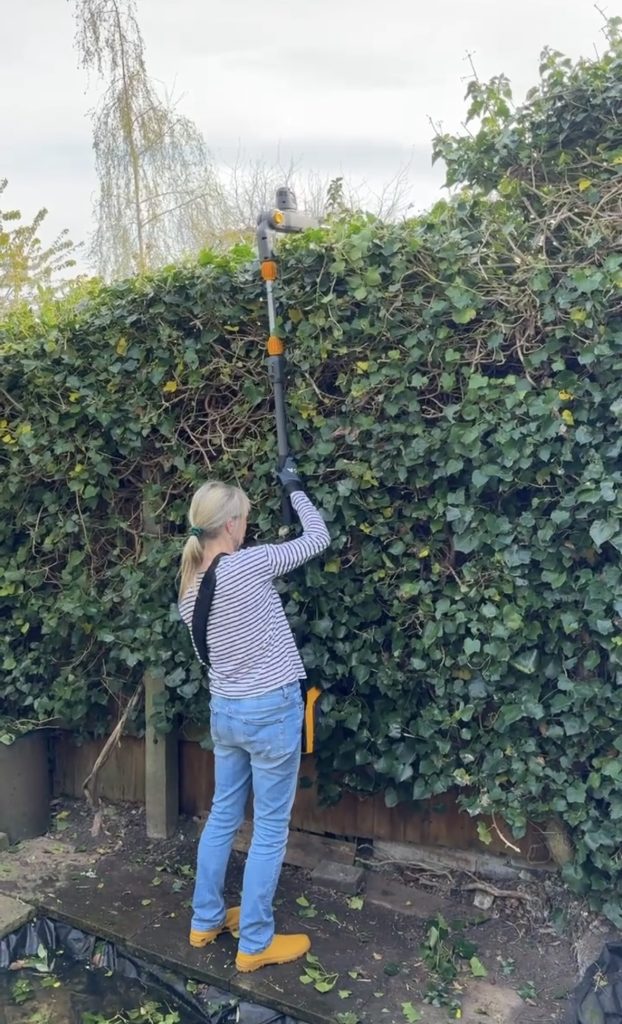
The transformation began with trimming the hard-to-reach ivy hedge with specialist garden equipment. I used the STIGA MT 500e cordless multi-tool, which was honestly a game changer. Though heavy, it was efficient and perfect for this kind of tough job thanks to its telescopic extension and powerful blades.
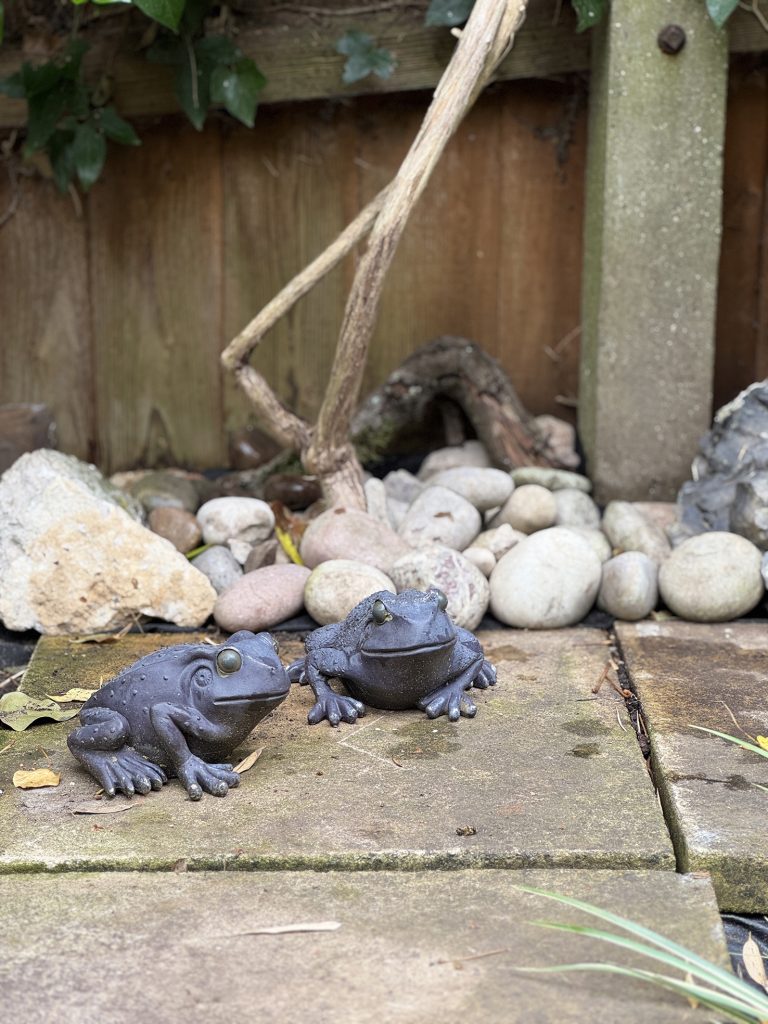
Next, I laid weed control matting, sourced boulders from a reclamation yard and found Scottish cobbles on Facebook Marketplace. This proved to be a cost-effective solution to add texture and interest. These design details help create a more layered, natural look.
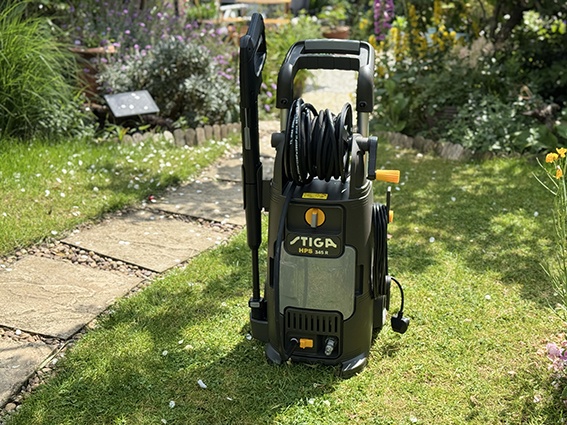
To revive the paving, I used the STIGA HPS 345R pressure washer with just high-pressure cold water without any detergent, to protect the wildlife. It lifted years of dirt and revealed a lighter stone beneath. This helped to enhance the look while keeping the water clear. The paving stones aren’t level to be honest. But this adds character to the pond and I want it to look natural; despite all the work I’ve put into it behind the scenes!
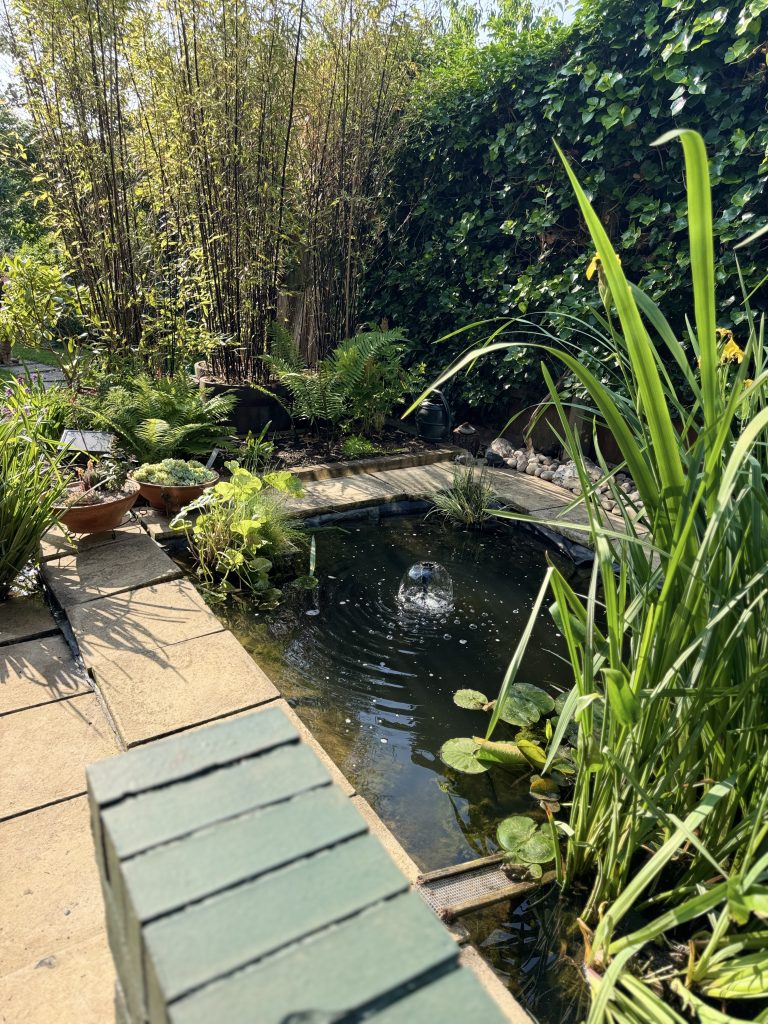
Adding the right plants for a healthy pond
I wanted this space in my garden to support a healthy ecosystem. So, I focused on adding a variety of pond plants – you can get all of the plants I have and benefit from my exclusive offer in collaboration with Thompson & Morgan of 12% off when you spend £20 or more on flowers, plants, bulbs, seeds, shrubs and vegetables. Just use this link for this exciting offer, which stands till 30th September 2025. These are essential not just for aesthetic reasons, but to attract wildlife, provide shelter and support aquatic life. So, when you buy pond plants, it’s worth considering what you need first.
Marginal and aquatic plants
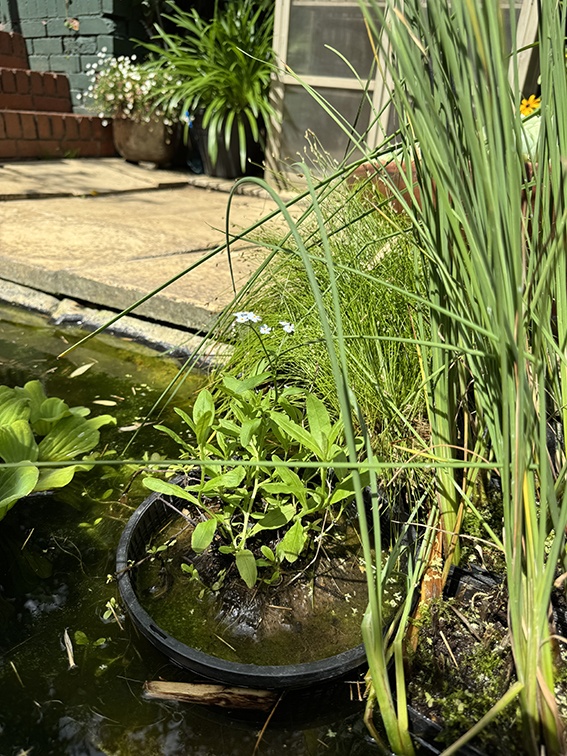
Starting with the marginal plants, I added Thompson & Morgan’s Water Forget-Me-Nots (Myosotis scorpioides). These are known for their dainty blue flowers that bloom from spring through to summer. They like shallow water and are perfect for planting at the pond edge. I planted two – one is thriving, and I’m hopeful the second will catch up soon.
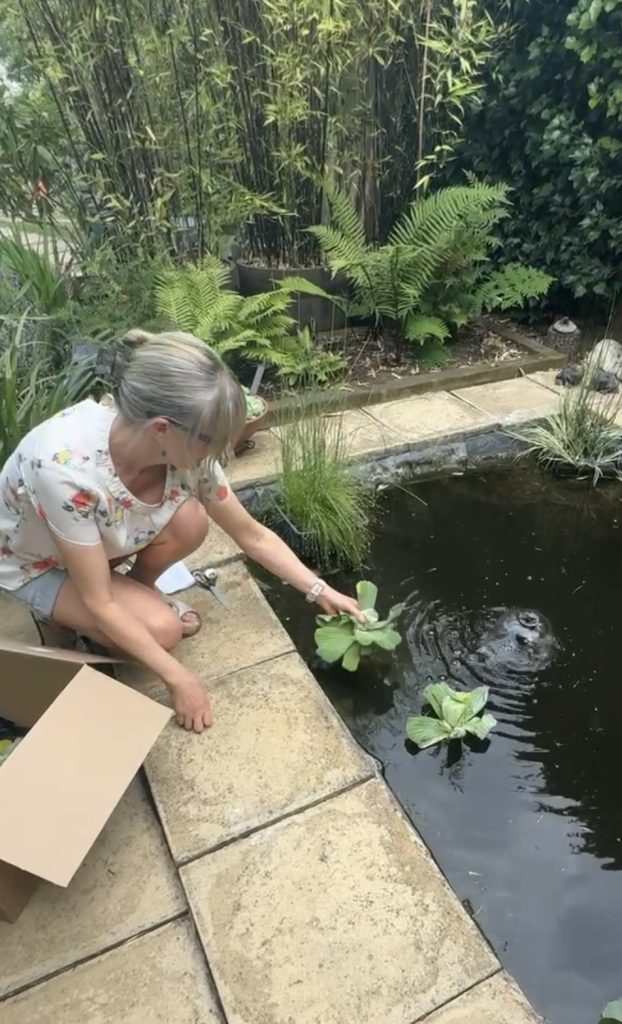
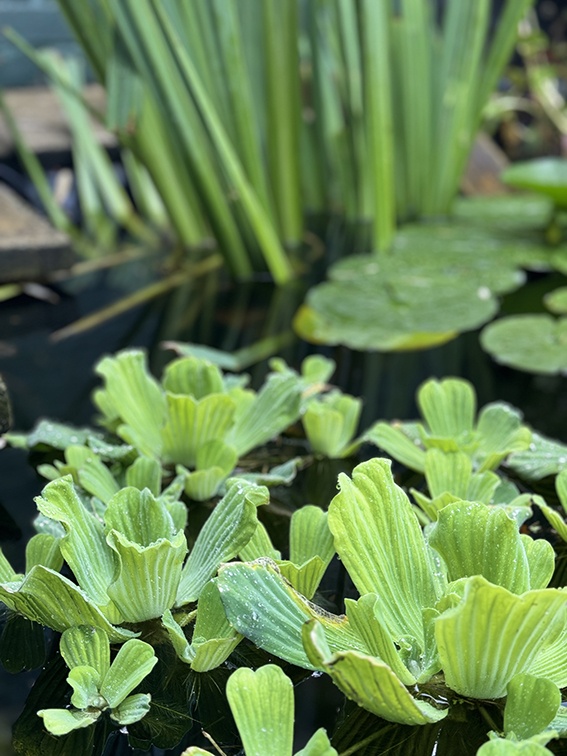
A new pond plant addition that makes a bold impact are Thompson & Morgan’s Water Lettuces (Pistia stratiotes). These sculptural floating plants multiply rapidly and offer almost instant cover. They’re great for both large ponds and small ponds. Thes sculptural ‘lettuces’ also help keep the water clear by blocking light and reducing algae growth.
We’ve also got a marsh marigold. a plant we’ve had for some years. I recently repotted it in aquatic soil and a new basket – it blooms with bright yellow flowers from March to May. This pond plant thrives in shallow water, attracts pollinators, and adds a bold splash of yellow.
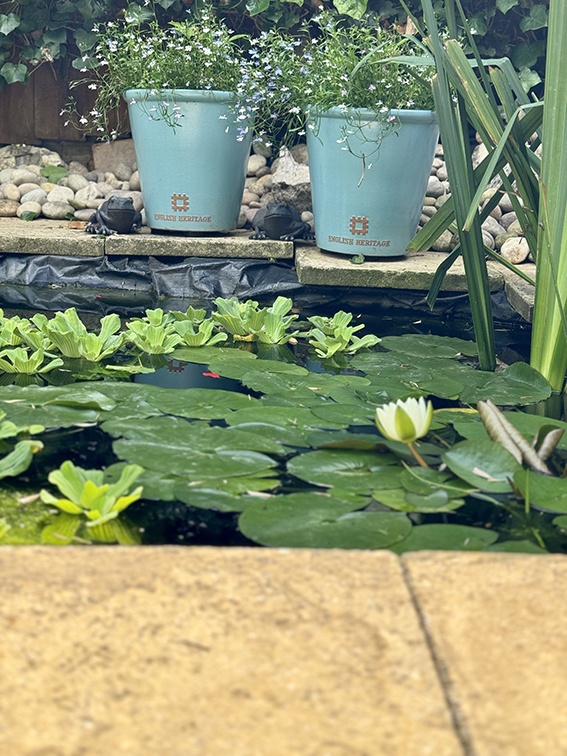
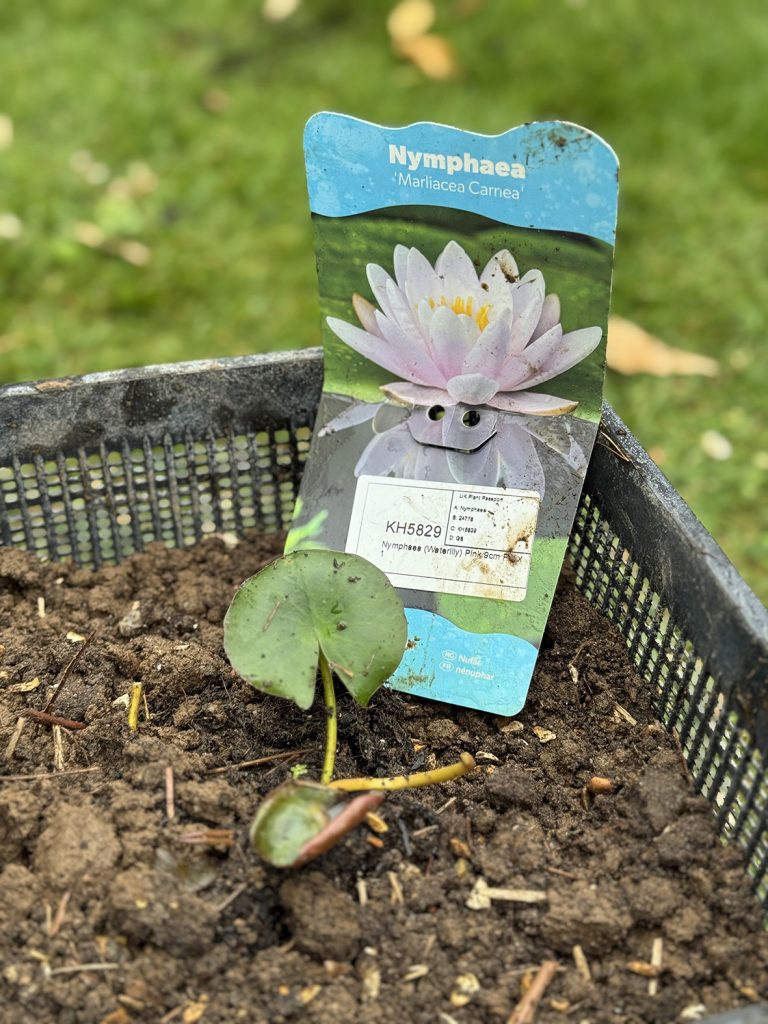
One of our water lilies is now doing incredibly well since we cleared more of the irises this year. So, we’ve added another one! This is positioned near our water feature (water lilies dislike too much water movement but our fountain is gentle); I’m pleased to report that it’s producing strong pads that have reached the water surface. Here’s the variety I used – perfect for deep water and it flowers from June to September. I think water lilies are essential pond plants, which look stunning and they tend to thrive in sunny, still conditions.
Boosting the area around the pond
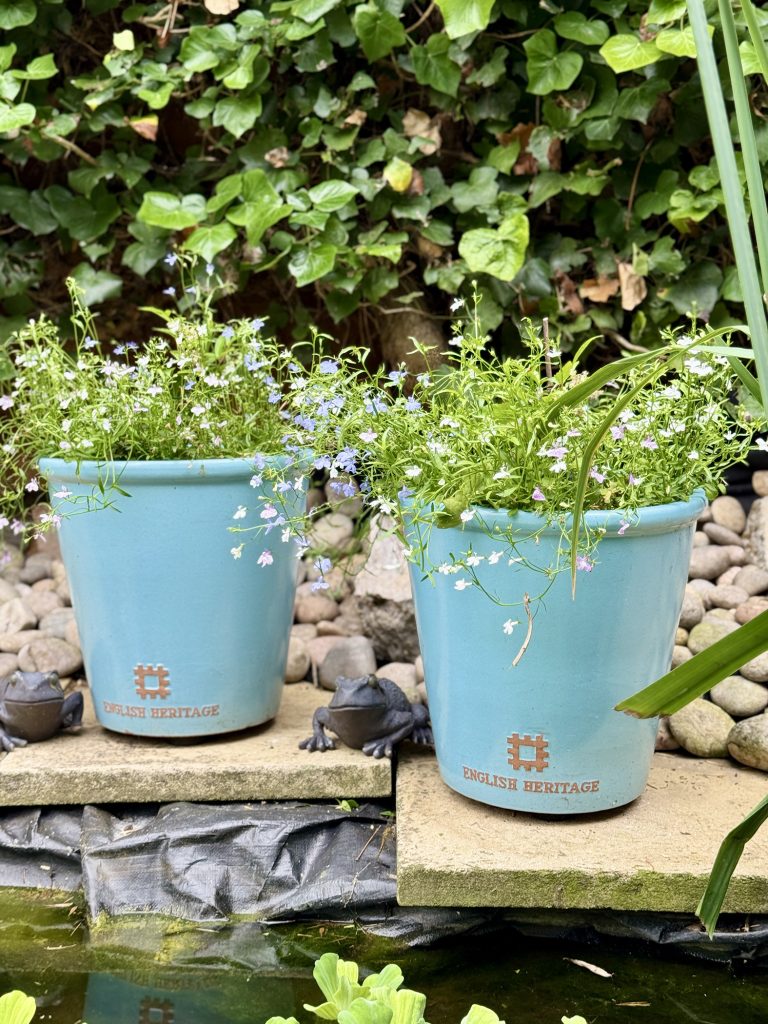
To frame the pond, I wanted to add some seasonal colour and vibrant foliage. In our blue English Heritage pots, I planted Astilbe ‘Astary White’ and Astilbe ‘Astary Rose’. These perennials offer stunning blooms through summer and love shade or dappled light. Around them, I planted Lobelia ‘Cascade Improved Mixed’ for trailing colour and flowers. I’ve added these to my pond plant collection as they help to frame the water area and attract pollinators.
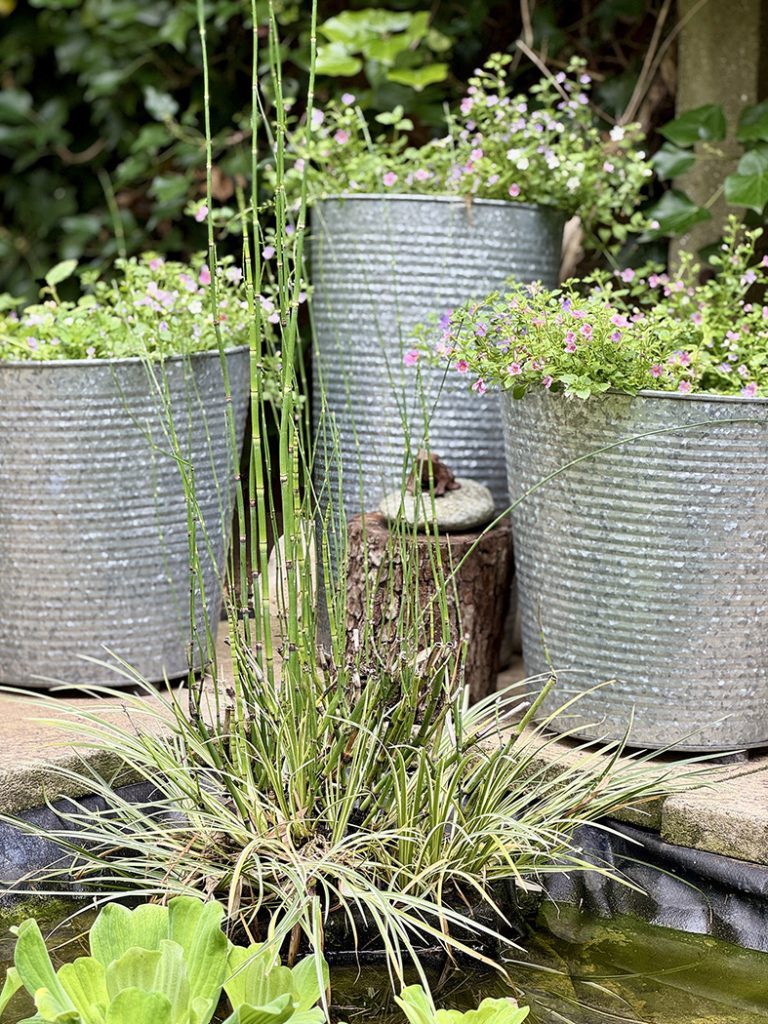
I’ve also introduced statement ribbed galvanised planters and a ribbed galvanised vase from Ivyline. These look gorgeous and create a beautiful contrast against my existing pots and the old flagstones. They’re also designed with built-in drainage and you won’t have to worry about rust or frost. So, they’ll look good for years to come. In these three, I’ve planted Nepeta ‘Panther Mix’– great for pollinators and with attractive foliage. Again, I used Lobelia for trailing blooms.
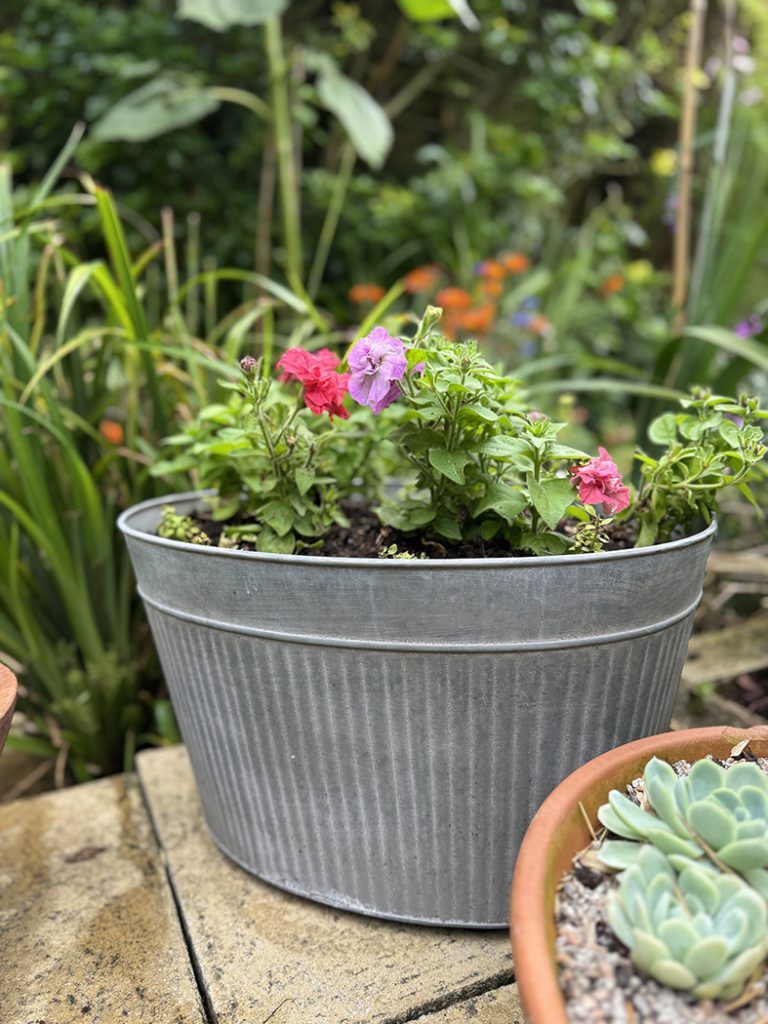
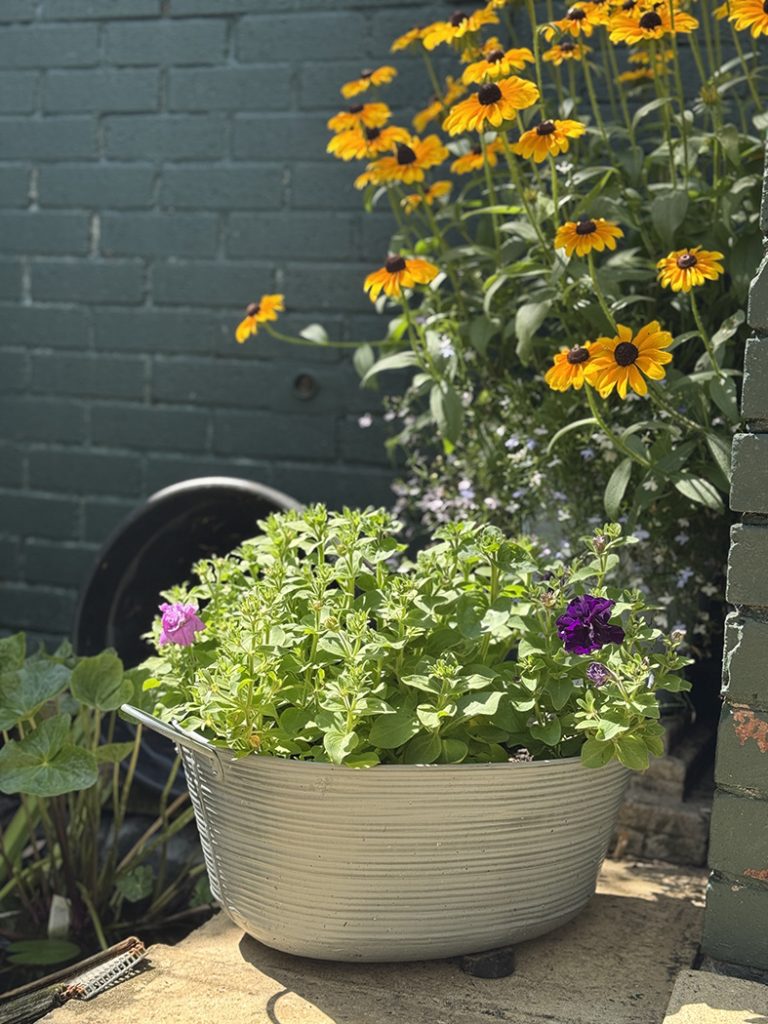
In my Ivyline galvanised trough and Matlock oval planter, I chose Petunia Orchid Flowered Mixed F1 Hybrid. These free flowering annuals have just finished one flush but are already budding again. I’ve also added bacopa ‘Snowtopia’, sourced elsewhere, for its trailing white flowers.
Enhancing the wildlife pond
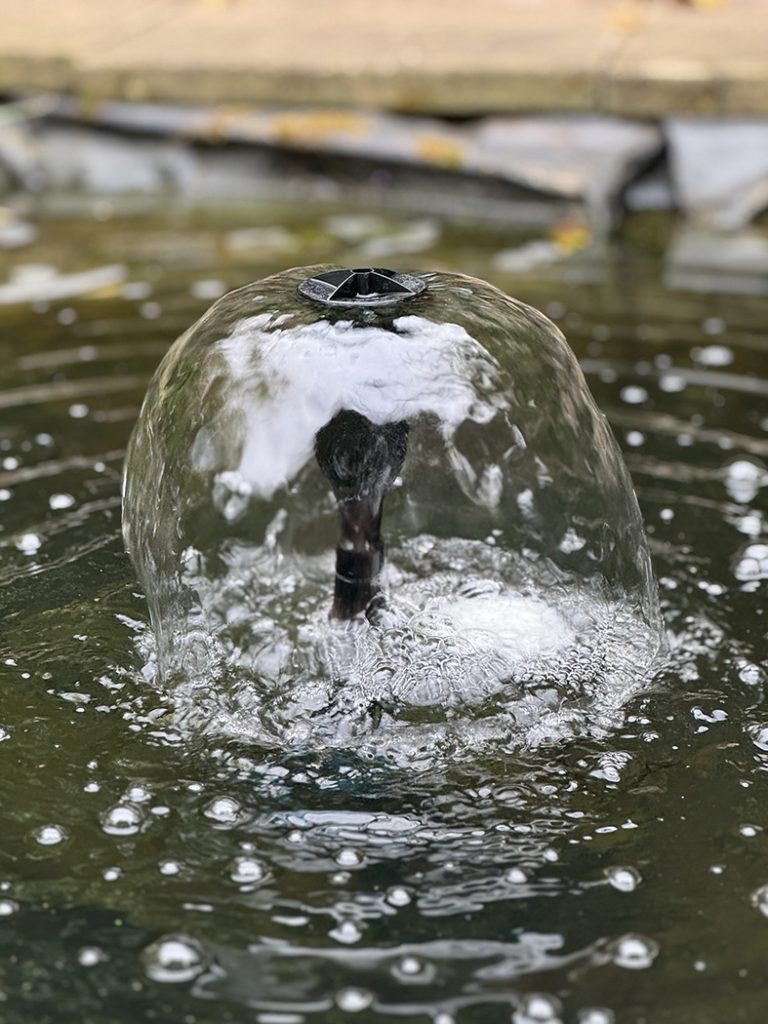
We added a new mushroom-style water feature from Dobbies, powered by a OASE AquaMax Eco Classic pump. These are great as the soft bubbling complements our pond plants without disturbing the aquatic life. The pump also helps to keep the pond water clear so we can enjoy seeing the wildlife.
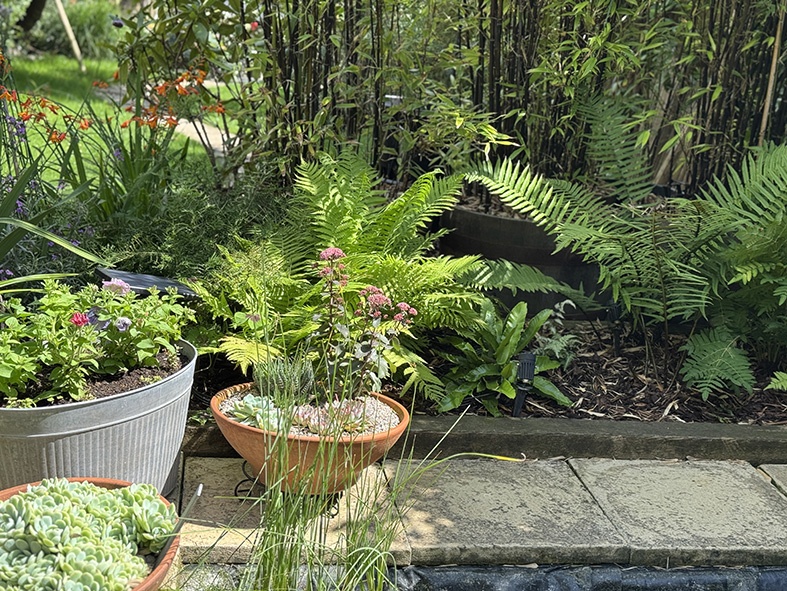
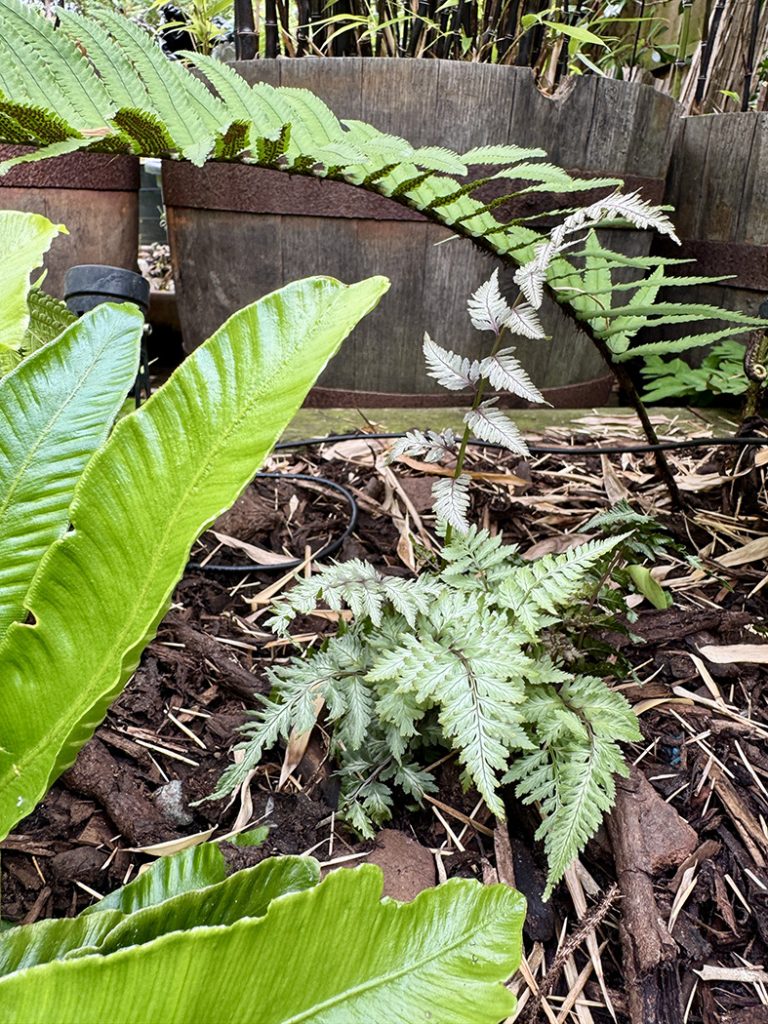
Near the pond, I’ve also created a fernery using shade-loving varieties, including Athyrium niponicum ‘Pewter Lace’; this has beautiful silvery foliage and is ideal for damp soil. I mulched the area with bark to suppress weeds and retain moisture – ideal for encouraging wildlife.
Helping wildlife
We tend to skim green algae from the top of the pond with a net, which can catch wildlife. So, we find that placing this into a shallow bucket on its side next to the pond allows any creatures to return. Our nearby cold frame houses tender plants during winter, including succulents.
Why choosing UK grown pond plants matters

I made a conscious effort to buy pond plants that were UK grown. Thompson & Morgan offers a great range of UK grown pond plantsthat ship quickly and thrive in our climate. If you choose UK grown pond plants, this also helps prevent the spread of invasive species and supports local biodiversity.
Whether you have a small pond, large pond, or a modest container pond, choosing the right plants is essential. This way, you can mix marginal plants, floating plants, and submerged aquatic plants; this will ultimately ensure a healthy ecosystem and attract beneficial wildlife like frogs, insects and birds. Water lilies, marsh marigolds, and iris are all ideal for deep water or pond margins, and many offer stunning blooms across spring and summer.
My wildlife pond is thriving
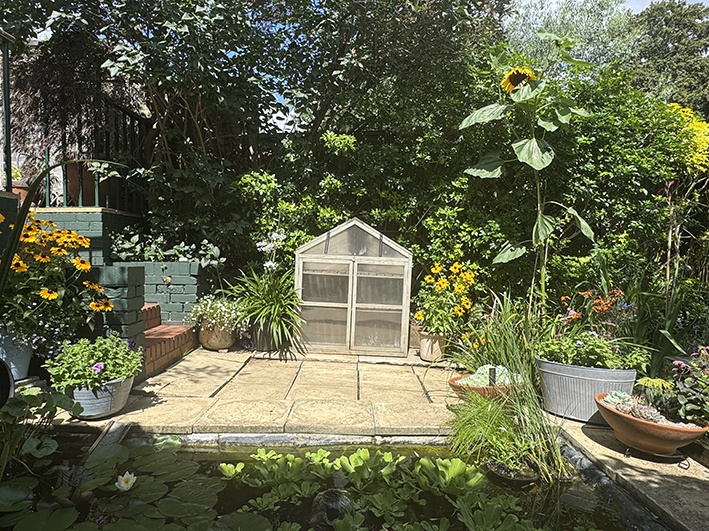
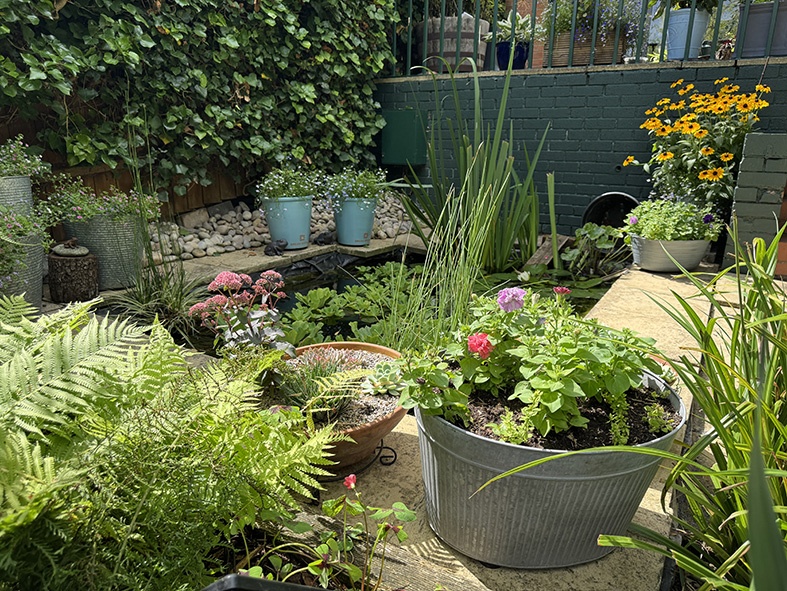
Now, this once-forgotten patch is a serene, plant-filled space buzzing with life. I’m so happy with how this wildlife pond has transformed. It’s a joy to walk past and a true retreat for our local wildlife.
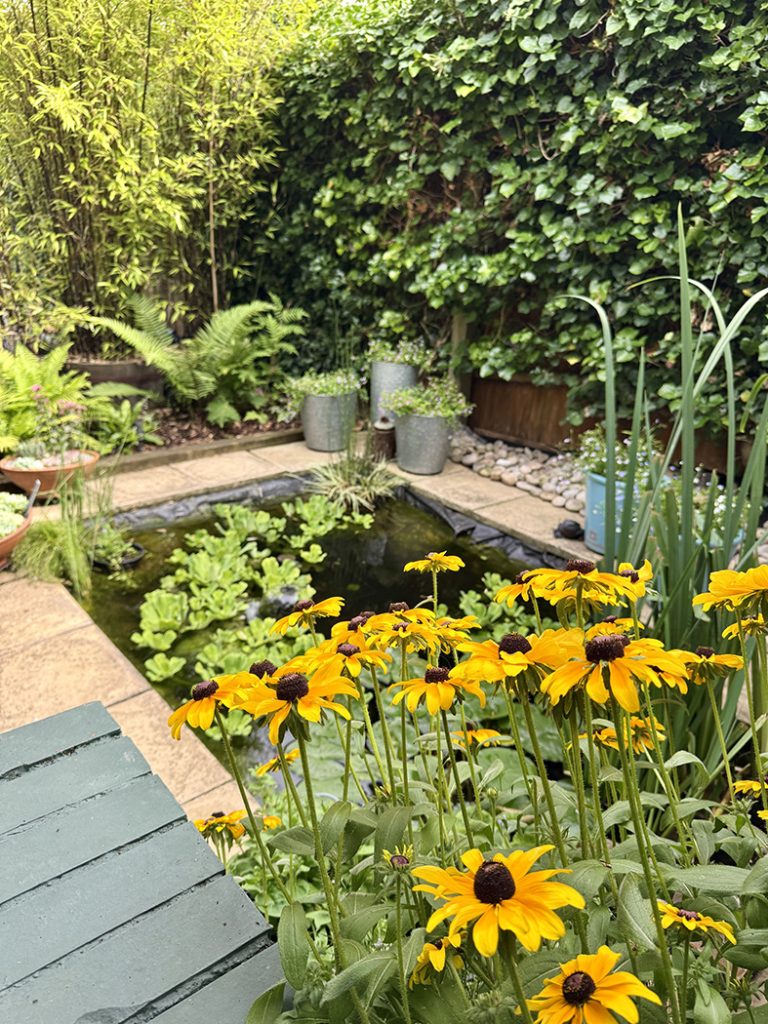
AD: This blog is a collaboration with seed and plant specialist Thompson & Morgan, garden machinery designer and manufacturer STIGA, and home and garden accessory creator Ivyline.